
Green Finance
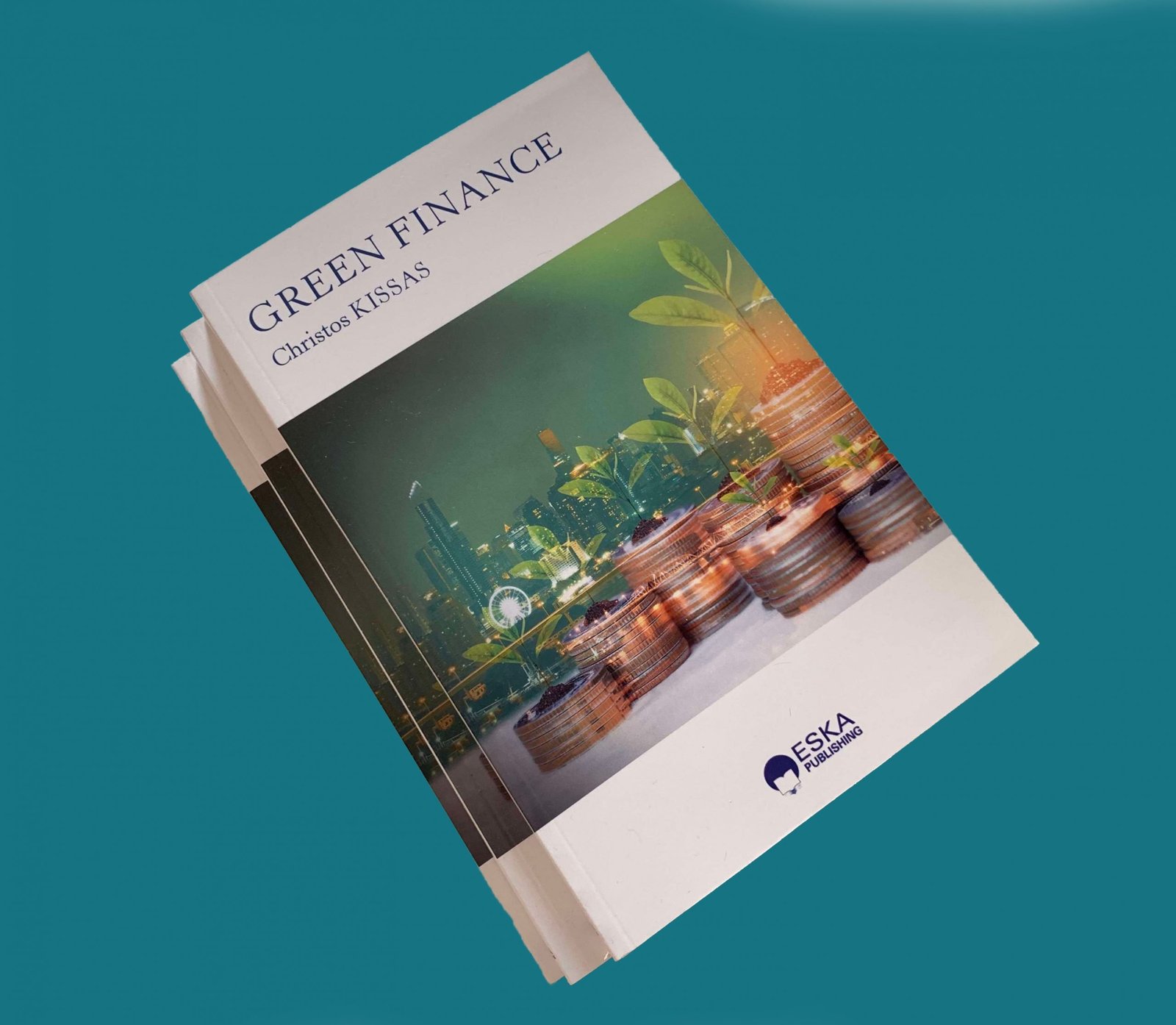
Green Finance (244 pages, ISBN: 978-2-7472-2878-7) was published in June 2020 and is currently distributed by all major bookstore networks (Amazon, etc.). Its aim is to provide an overview of the current state of Green Finance: its products, standards, and markets.
Part I of the book is dedicated to the most innovative green product developed so far, i.e. Green Bonds. This is a fascinating market that practically doubles in volume every year, and sees new players coming ardently to tap liquidity in order to finance packages of green infrastructure, as well as industrial and commercial projects. Seven chapters cover all the important aspects of green bonds: what they are and how they differ from conventional debt instruments; who the main issuers are; how their spreads are developing in secondary markets; what the various standards for issuing a labelled green bond are; the mechanics of external reviews; and finally, what needs to be done for this market to became a mainstream rather than a niche market.
The second part of the book is focused on all the other green financial instruments: green banking, and the various specialized credit institutions–green banks; green stock indices; green funds, especially those launched by international organizations; the green “mega-incubator” called The Lab, used as a laboratory of new ideas on green financing; LIFE Programme, the most prestigious and long-lived financial scheme set up by the European Union; Conservation Finance; Carbon Finance and its most advanced application to date, the European Union’s Emissions Trading System; and finally, Renewable Energy Finance, i.e. Power Purchase Agreements, ESCOs and Yieldcos.
We are still at the very beginning of green finance, and the offer of green products is still patchy and confusing, while the literature on the subject offers no methodical presentation and analysis of financial instruments related to climate change and the environment. The purpose of this book is precisely to fill this void.
The International Gold Market (in French)

This book (209 pages, ISBN: 2-86911-009-X) is a complete study of the International Gold Market of the late 80’s, from both a theoretical and a practical perspective. Gold was analyzed as a financial asset, the efficient market hypothesis was tested, as was the correlation between the gold price and various indexes. Gold derivatives and gold mining shares were also presented.
This book reflects my research work on the subject as well as my professional experience of the market at the beginning of my career with International Gold Corporation and Banque Française du Commerce Extérieur in Paris.
The book is still in the catalog of various bookstores in French-speaking countries.
LIFE: Contributing to Employment and Economic Growth
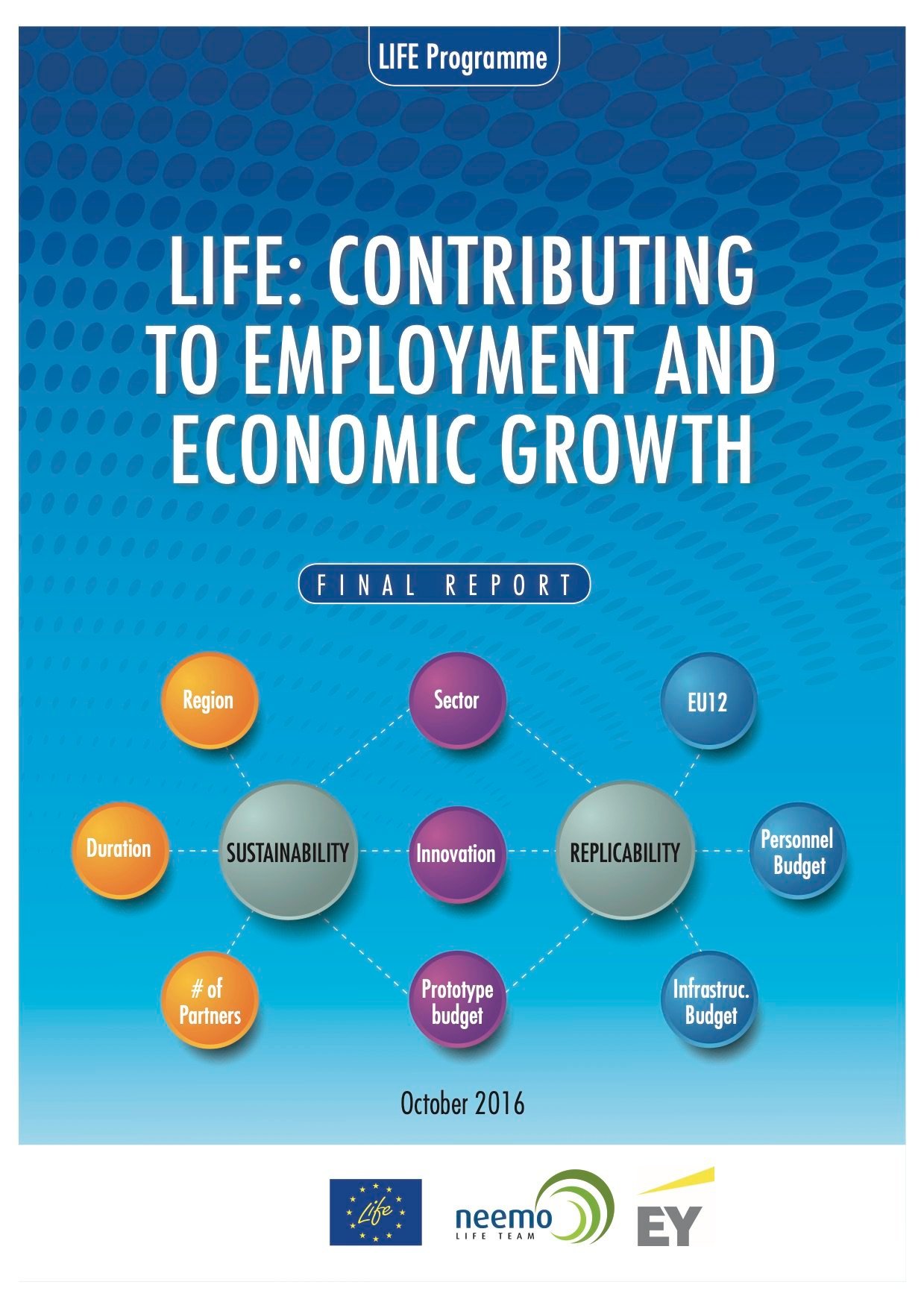
This 192-page study on LIFE, European Union’s flagship environmental Programme, was performed by an international team of 17 experts coming from the LIFE monitoring team and Ernst & Young, under my supervision.
“Contributing to Employment and Economic Growth” is the most extensive study ever done on the Programme; it reviewed and analyzed around 4,000 individual projects carried out withing the 28 member states of the Union. Various sophisticated econometric methods were employed, as well as artificial intelligence algorithms (deep learning) in order to classify the projects in categories and to determine the influence of a large set of factors.
The results of the study were presented to several panels of European Commission’s officials, and were used in the European Parliament to support the Programme’s renewal and extension.